
A snowmobile trip needs two plans: where you will stay and where you can legally ride when you get there. For a stay at Crown Point, start with the right destination. The campground is in Perkinsville, Vermont, at 131 Bishop Camp Road, above Stoughton Pond. It is not the town of Crown Point in New York.
Before choosing dates, ask Happy Grounds about a Crown Point winter stay and include your RV length, tow vehicle, trailer dimensions and number of sleds. Knowing how the whole combination fits is more useful than finding an open campsite and sorting out the trailer later.
Confirm how the campground connects to the trails
The Crown Point property page lists “direct access to VAST snowmobile trails (winter)” among its amenities, and the camp store stocks LP gas. VAST is the Vermont Association of Snow Travelers, which organizes Vermont’s statewide trail network. Before relying on that access for your trip, get the current departure instructions from the campground team.
Ask where you may unload, where the trailer stays, and whether you can ride from your assigned site to an open trail. Have the team identify the current connector and any road crossing, gate or operating restriction involved. A connection that is practical for one site or trailer setup may need a different arrangement for another.
Get the return instructions too. You want to know the campground’s rules for returning after a ride, where sleds may be parked and whether the access route has any time restrictions. Save those answers with your booking details so everyone in your group follows the same plan.
Match your trip to the trail season
VAST’s published seasonal window runs from December 16 through April 15, with opening dependent on sufficient snow. Those dates are the outer window, not a promise that your chosen route will be open throughout it. Check the official VAST riding information before choosing a snow-focused trip.
The campground’s winter booking period and the trail season are separate. You might be able to arrange a winter campsite when riding is unavailable. Decide whether you would still enjoy the stay in that situation before making a weather-dependent booking.
Check conditions when you plan the trip, again before leaving home, and on the morning of each ride. Use the VAST trail map and conditions page, then follow current club updates and signs on the ground. If a route is closed, choose another authorized open route or make it a non-riding day. Do not follow old tracks around a closure.
Get the registration and trail pass sorted first
VAST lists a registered and insured snowmobile, club membership and a Trail Maintenance Assessment, or TMA trail pass, among its requirements. A campground reservation does not include those items. Review what you need to ride in Vermont for the current registration, insurance and equipment rules.
The online TMA process includes selecting a club. Have your snowmobile registration information and a readable image of the registration ready before using the official VAST pass page. Check that you are buying a trail pass rather than a club-only membership, which does not itself provide trail access.
Safety training needs attention before departure as well. VAST’s safety-course guidance requires a course for riders age 12 or older born after July 1, 1983. If children will operate a sled, review the separate age and supervision rules rather than assuming a course certificate answers every question. Helmets are required on the VAST system.
Keep the documents you must carry accessible during the ride. A useful final check is to review each sled and rider individually instead of assuming one person’s paperwork covers the group.
Plan the first ride around a reliable return
Make the first outing modest enough to learn the access route and get comfortable with the current surface. Choose a route that suits the least experienced rider, with an agreed turnaround point and enough time to return without rushing.
Before departure, identify your start point, key junctions, fuel plan and return route. Save the relevant map information for use without a connection and carry a charged phone and backup power. Let someone know your intended route and expected return time. Keep the group together and agree on what to do if someone misses a turn.
Do not use Stoughton Pond, another waterbody or an unmarked shortcut as a substitute for an approved route. Snow cover and other people’s tracks do not establish safe ice or permission to cross. Stay on authorized open trails and follow posted instructions.
A lunch stop is worth planning, but it should not force a longer ride than the group can comfortably finish. Verify any trailside business, fuel stop and access route for the day rather than relying on an old itinerary.
Make room for the RV and the riding gear
Review Crown Point’s winter stay information with the team before committing. Ask which accommodation and stay lengths are available for your dates, then request the complete quote and booking terms. Do not build the budget around a summer nightly rate or an expired promotional offer. The published 2026-27 winter season runs October 15, 2026 to April 30, 2027, and alongside RV sites and a Deluxe Cabin, the winter page lists a Dry Camping option by the week, month or season, which can suit riders who come and go with their sleds.
Discuss winter electricity, water and wastewater arrangements for the particular site. Ask which shared facilities operate, who clears snow at the site and where vehicles should be moved during plowing. A general full-hookup description does not answer how those services work during freezing weather.
Ask About Your Winter Site Setup
Think through the return from a wet afternoon outdoors. You will need somewhere appropriate for boots, gloves and outer layers without blocking exits or placing equipment against heaters. Check your RV manufacturer’s winter guidance and the park’s equipment rules before adding heating or freeze-protection devices. Our winter RV camping guide covers the wider preparation questions.
Leave a day without a ride on the calendar
A flexible stay makes a trail closure less disruptive. Keep groceries and an ordinary meal plan at the RV, and choose any driving outing according to the weather rather than filling every day with a fixed commitment.
The Crown Point attractions page can help you consider other nearby activities. Check each operator’s winter hours before setting off. If riding is the only reason for the trip, read the campground’s cancellation and change terms carefully before booking.
For the next step, send Happy Grounds your Crown Point dates and full vehicle setup. Ask for the winter stay quote and the current trail-access and trailer-parking instructions together. That gives you the information needed to decide whether this trip works for your equipment and your group.
Frequently asked questions
Q: Is this Crown Point in New York?
No. Happy Grounds’ Crown Point campground is in Perkinsville, Vermont. Use the campground’s address when planning the journey and look at Vermont trail requirements.
Q: Does booking a campsite include a VAST pass?
Do not assume so. Arrange the required registration, insurance, membership and trail pass separately through the appropriate official channels.
Q: Can I ride directly from my campsite?
Confirm the permitted route from your assigned site with the campground before booking around it. Ask about unloading, gates, crossings and whether the connector is open for your dates.
Q: What should I ask if I am bringing a long trailer?
Provide the trailer and tow-vehicle dimensions. Ask about arrival turns, unloading space, designated parking, snow-clearing arrangements and any separate charges or restrictions.
Ready to check the fit? Send the team your dates and full vehicle setup.
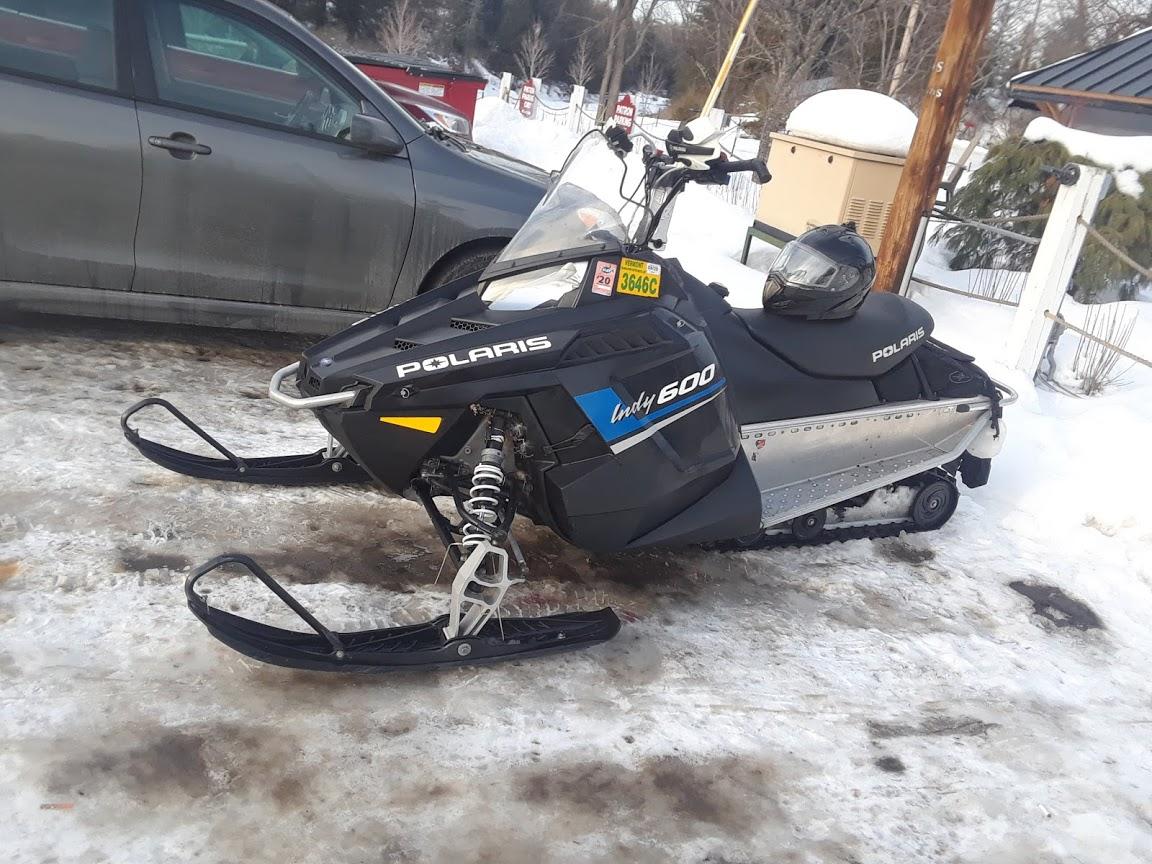
Featured image: Artaxerxes · CC BY-SA 4.0 · Source · License